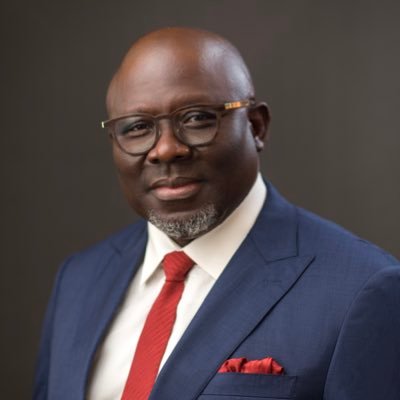
Delta State was thrown into shock on Thursday, September 19, 2025, when Governor Rt Hon Sheriff Oborevwori made remarks that have since gone viral and provoked widespread outrage. Speaking in Warri during a public event, the governor was caught on video addressing the ongoing ethnic tensions in the area with a statement that many have described as careless, insensitive,irresponsible and unbecoming of a leader.
In the short clip, Governor Oborevwori said: “They are saying I am not talking. What do you expect me to say? Warri, if you want to fight, do not fight in my tenure. Fight in 2031. Itsekiri voted for me, Ijaw voted for me, everyone loves me. Who should I offend? Do you want me to lose votes?”
The comments have ignited widespread criticism because of their clear implications. Rather than reassure the warring ethnic nationalities of government’s commitment to peace and security, the governor appeared more concerned about preserving his political base and protecting future votes. The suggestion that any potential conflict should be postponed until after his tenure has been interpreted as a shocking display of political self interest over public safety, peace and security.
Warri, one of the most ethnically diverse and historically volatile areas in Delta State, has endured decades of tension among Ijaw, Itsekiri, and Urhobo communities. Any careless remark by political leaders is capable of inflaming sentiments and reopening old wounds. Observers argue that Governor Oborevwori’s words, instead of dousing tensions, have only deepened mistrust and left many questioning his ability to govern impartially, in fact his statement has exposed him not fit to be a class representative talk more of a governor.
Governance is not about convenience, nor is it about political calculation. It is about responsibility, sacrifice,leadership and empathy. At a time when the people expected a clear message of peace,reconciliation and strategic engagement on modalities of putting an end to the rivalry, the governor chose to reduce their fears and anxieties to an issue of electoral arithmetic. By implying that war should be postponed until after 2031, he essentially told the people that their lives and property are secondary to his political future.
This is not leadership. This is an abdication of duty. Leaders are elected to confront crises head on, not to defer them in order to safeguard votes. By treating the issue of peace and security so lightly and blaming it on social media handlers, Governor Oborevwori has exposed a dangerous side of political leadership in Nigeria: one where the ballot box matters more than human life.
It is worth stating that words matter. Leaders are judged not only by their actions but also by the tone and weight of their pronouncements. In a fragile environment like Warri, every word from the governor can either calm the storm or ignite the fire. Unfortunately, Oborevwori’s words have done the latter.
If Delta State is to avoid slipping further into crisis, the governor must urgently retract his statement, personally engage stakeholders across ethnic lines, and demonstrate genuine commitment to peace. Anything less would mean that the people are left to wonder if their lives are truly safe in the hands of a government that openly plays politics with their future.
History will remember this moment.
The people will not forget either.
Prince Ukuanovwe Godstime OJ
Civil rights activist
Writes from Abraka