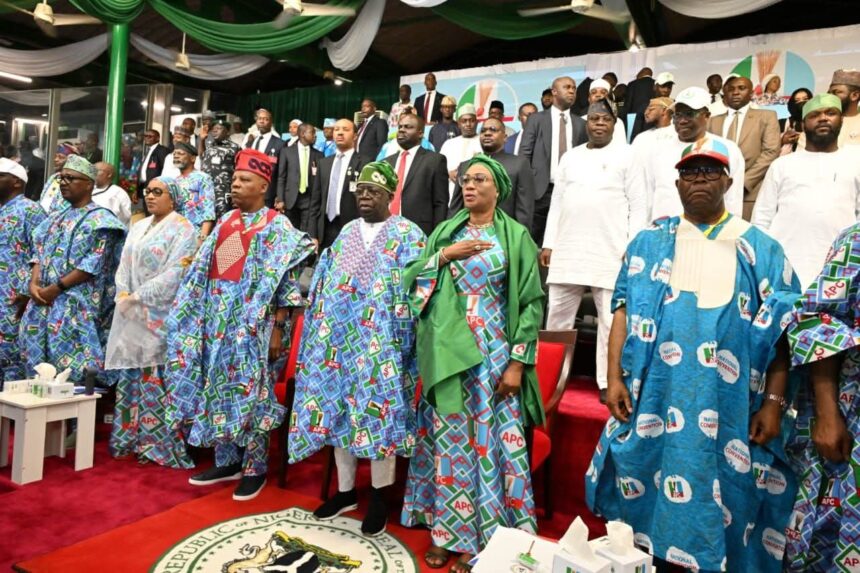
Nigeria’s Vice President, Kashim Shettima, has called for restraint, unity, and political maturity as early signs of electioneering activities begin to surface across the country.
Speaking on the evolving political atmosphere, Shettima noted that consultations among aspirants, party stakeholders, and community leaders are already gaining momentum at ward and local government levels. He described the heightened activity—marked by strategic meetings, lobbying of delegates, and grassroots mobilization—as a clear indication that Nigeria’s democratic process remains active and participatory.
According to him, the resurgence of political engagement reflects a system where leadership is still determined through negotiation, persuasion, and open contest. However, he cautioned that such periods often come with significant risks that could undermine democratic stability if not properly managed.
Shettima warned against the growing tendency to interpret political differences as personal hostility. He stressed that disagreement should not be equated with disloyalty, nor should competition be seen as enmity among party members and stakeholders. He also raised concerns about misinformation, particularly the role of media narratives in shaping public perception, urging citizens and political actors to distinguish between verified facts and speculative interpretations.
The Vice President’s remarks come at a time when Nigeria continues to grapple with political polarization, internal party disputes, and public distrust fueled by economic challenges and governance concerns. Analysts say the coming political season will test the resilience of democratic institutions, especially in managing tensions within parties and ensuring credible processes.
Shettima emphasized the need for political actors to prioritize national interest over personal ambition, warning that the misuse of political competition could deepen divisions and weaken democratic gains. He urged aspirants, supporters, and party leaders to engage responsibly and uphold the values of fairness, tolerance, and constructive dialogue.
As political activities intensify nationwide, observers note that the tone set by key leaders in the early stages may significantly influence the conduct of campaigns and the overall stability of the electoral process.