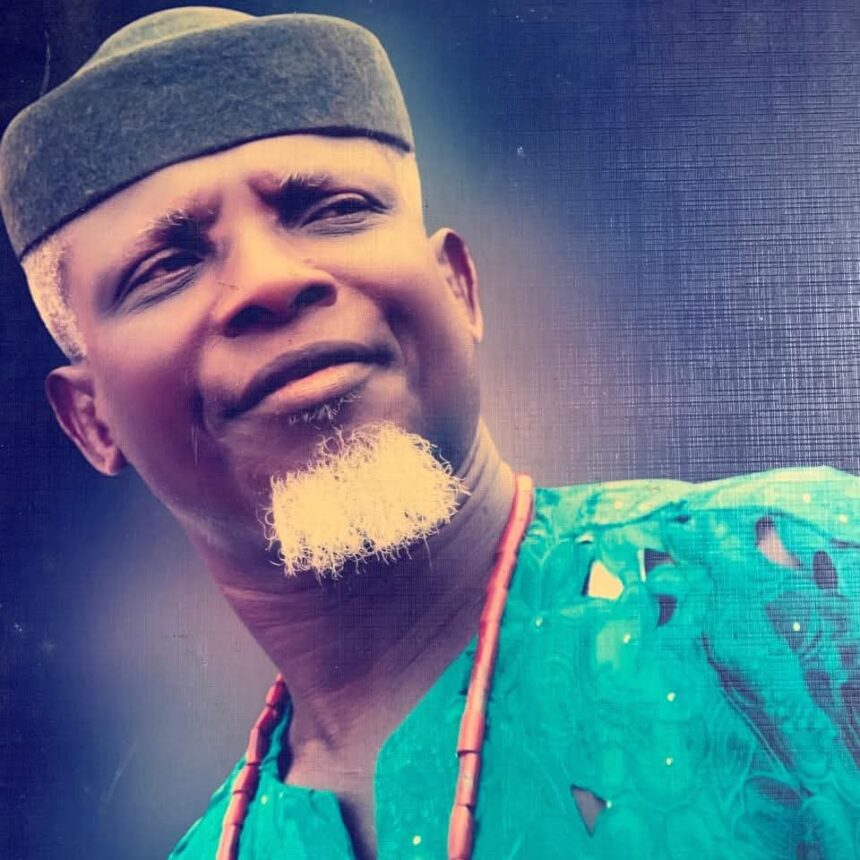
Former Deputy President of the Senate, Senator Ovie Omo-Agege, has expressed deep sorrow over the death of renowned Urhobo musician and cultural icon, Prof. Johnson Oyibode Adjan, describing his passing as a monumental loss to Urhoboland and Nigeria’s cultural heritage.
In a statement issued on Tuesday by his Media Adviser, Sunny Areh, Omo-Agege said Adjan was more than a musician, noting that he was a philosopher, cultural ambassador and custodian of Urhobo traditions whose contributions helped preserve and promote the heritage of the Urhobo people.
“Adjan was more than a musician. He was a maestro, a great philosopher, and a true custodian of Urhobo culture whose life’s work preserved and projected the heritage of our people to the world. Through his timeless music, he gave voice to our stories, wisdom to our generations, and pride to our identity,” Omo-Agege said.
The former Delta Central senator, who holds the traditional title of Obarisi of Urhoboland, noted that the late musician remained a respected figure among traditional institutions, scholars, fellow artists and admirers across generations.
According to him, Adjan’s influence transcended geographical boundaries, while his songs served as a vehicle for teaching values, history and wisdom, earning him the revered title of “Professor.”
Omo-Agege further stated that the music legend skillfully infused deep Urhobo philosophy and worldview into his lyrics, cementing his place as one of the foremost cultural ambassadors of the Urhobo nation.
“We have lost an iroko, but his melodies, teachings and cultural stewardship will remain eternal. He was not just a singer. He was a philosopher in rhythm, a custodian of Urhobo culture, and a legend whose voice carried the soul of our people,” he added.
A native of Ofuoma-Ughelli in Delta State, the late Prof. Adjan was widely celebrated for his mastery of Urhobo folklore and traditional music, with a career that spanned several decades. His inspiring lyrics and unique delivery earned him admiration across the Urhobo nation and beyond.
Omo-Agege described the vacuum left by the musician’s death as one that would be difficult to fill in both Urhobo society and Nigeria’s cultural landscape.
He extended his condolences to the family of the deceased, members of the music community and all admirers of the late cultural icon.
“May his soul find peaceful rest, and may his legacy continue to inspire,” Omo-Agege prayed.