The Obi-Kwankwaso (OK) Movement has called on the Economic and Financial Crimes Commission (EFCC) to investigate the cash empowerment programme organised by Senator Natasha Akpoti-Uduaghan, alleging that the distribution of millions of naira to constituents amounted to vote-buying.
The group also threatened to mobilise political resources to oppose the senator’s return to the National Assembly, accusing her of undermining democratic values through the public distribution of cash to beneficiaries.
In a statement issued in Abuja on Wednesday, the Director-General of the OK Movement, John Ughulu, described the empowerment exercise as an alleged attempt to influence the electoral choices of constituents through financial inducements.
Ughulu urged the EFCC to investigate the circumstances surrounding the programme and prosecute anyone found culpable if evidence of electoral or financial wrongdoing is established.
“The OK Movement strongly condemns the reported cash empowerment exercise by Senator Natasha Akpoti-Uduaghan. The action is an apparent case of open vote-buying and a serious affront to democratic principles,” the statement read.
The movement further described the incident as embarrassing to the Nigerian Senate, insisting that elected public officials should use their positions to promote accountability, development and responsible leadership rather than compromise the electoral choices of citizens.
It maintained that public office should be regarded as a position of responsibility and service, not an opportunity to influence voters through financial inducements.
The group also declared its intention to campaign against Akpoti-Uduaghan’s return to the Senate, promising to deploy every legitimate political resource available to it.
Ughulu said Nigeria deserved leaders who could earn public confidence through competence, integrity and service rather than financial incentives.
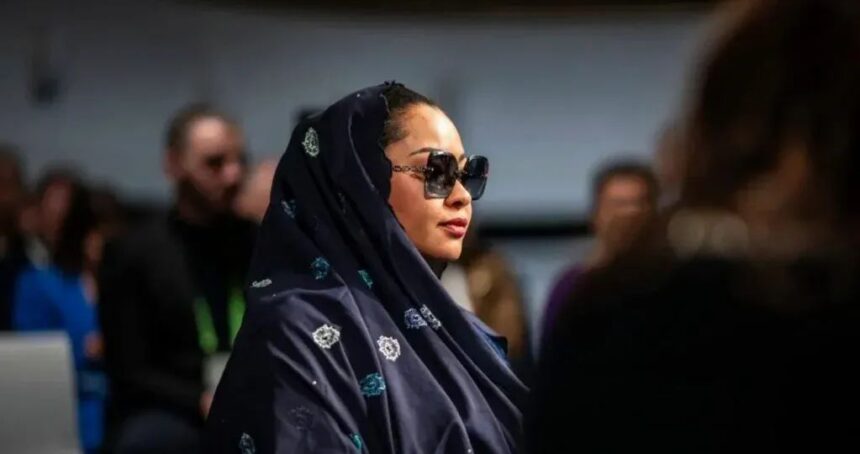
Meanwhile, Akpoti-Uduaghan, who represents Kogi Central Senatorial District, had earlier defended the distribution of millions of naira to constituents during an empowerment programme organised to mark her third anniversary in the 10th National Assembly.
The senator came under public scrutiny after photographs and videos showing bundles of cash at the event circulated on social media, generating criticism and questions about the propriety of distributing large amounts of money during a constituency empowerment exercise.
However, responding through her media aide, Mike Idoko, the lawmaker explained that the decision to distribute cash instead of business equipment was based on the preferences of beneficiaries.
According to her, previous empowerment programmes had shown that some constituents preferred direct financial assistance because of their immediate business and personal needs.
She maintained that the cash distribution was intended to address the economic needs of her constituents rather than influence their political choices.
The controversy has since reignited public debate over the nature of constituency empowerment programmes in Nigeria, particularly the distribution of cash by elected representatives and the distinction between legitimate welfare interventions and practices that could amount to electoral inducement.
While the OK Movement is demanding an EFCC investigation, the allegations remain claims by the political group and do not, in themselves, establish that an electoral offence was committed.