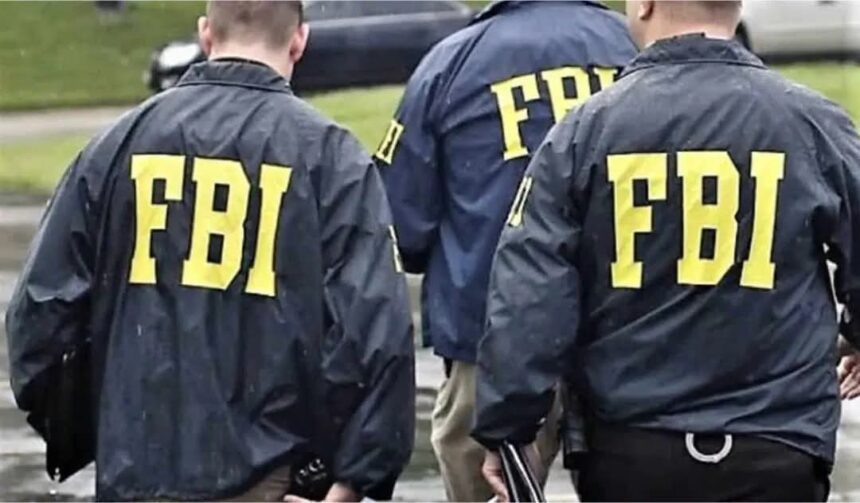
WASHINGTON — The United States Federal Bureau of Investigation (FBI) has asked a federal court to allow it to withhold portions of historical records relating to Nigerian President Bola Ahmed Tinubu, citing concerns over personal safety, confidential sources and sensitive law-enforcement methods.
The development is part of an ongoing Freedom of Information Act (FOIA) dispute over records reportedly connected to investigations from the 1990s.
According to the FBI, some information contained in the records cannot be publicly released without potentially compromising individuals’ safety, invading protected privacy interests or exposing confidential investigative sources and techniques.
The bureau is relying in part on FOIA Exemptions 7(E) and 7(F), which permit the withholding of certain law-enforcement information where disclosure could reveal investigative techniques or reasonably be expected to endanger the life or physical safety of an individual.
The FBI has also asked the U.S. District Court for the District of Columbia to permit it to file a declaration under seal, allowing the judge to examine privately the specific reasons for withholding the disputed information.
The request means the court would be able to review the sensitive justification without requiring the FBI to disclose the investigative methods or information it says could be compromised by public release.
The case stems from a lawsuit filed by Aaron Greenspan, founder of PlainSite, who challenged the U.S. government’s initial refusal to confirm or deny whether records relating to the matter existed.
The government’s initial position, commonly known as a “Glomar response,” allowed it to refuse to confirm or deny the existence of responsive records where doing so could itself cause harm protected under FOIA.
A U.S. court subsequently lifted the blanket refusal, paving the way for the search and processing of potentially responsive records. However, disputes remain over the release and redaction of specific portions of the documents.
The latest development therefore centres not simply on whether records exist, but on how much of the information can lawfully be disclosed to the public without compromising protected personal information, confidential sources or law-enforcement techniques.
The FBI’s request for a sealed declaration leaves the court to determine whether the agency’s stated reasons for withholding the remaining information meet the requirements of U.S. freedom-of-information law.