The dissolution of the National Electric Power Authority (NEPA) marked one of the most significant transformations in Nigeria’s post-independence economic history, ending decades of state monopoly in the electricity sector and ushering in market-driven reforms.
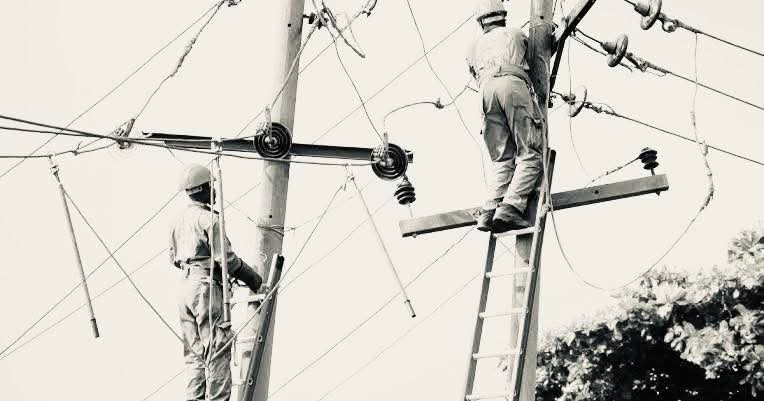
NEPA was established in 1972 following the merger of the Electricity Corporation of Nigeria (ECN) and the Niger Dams Authority (NDA) under Decree No. 24, consolidating electricity generation, transmission, and distribution under a single government agency. Despite this centralisation, the authority became synonymous with poor service delivery, chronic outages, decaying infrastructure, and inefficiency, earning the public nickname “Never Expect Power Always.”
By the 1990s, Nigeria’s power sector had deteriorated significantly, with demand far outstripping supply. Attempts at internal restructuring and partial commercialisation failed to reverse the decline.
The return to democratic governance in 1999 placed electricity reform high on the agenda of President Olusegun Obasanjo, who described reliable power as essential to economic growth. Early reform efforts under ministers such as Chief Bola Ige and later Lyel Imoke, alongside NEPA leadership changes including Joseph Makoju, produced limited results.
Recognising the failure of incremental reforms, the federal government adopted the National Electric Power Policy (2001), which paved the way for comprehensive liberalisation. This culminated in the passage of the Electric Power Sector Reform Act (EPSRA) of 2005, signed into law by President Obasanjo.
The Act formally ended NEPA’s monopoly, repealed existing electricity laws, and replaced NEPA with the Power Holding Company of Nigeria (PHCN) as a transitional holding entity. It also established the Nigerian Electricity Regulatory Commission (NERC) in 2005 to oversee licensing, tariffs, and consumer protection.
NEPA officially ceased to exist on 1 July 2006, when PHCN assumed all its assets, liabilities, and staff. The reform framework unbundled the sector into six Generation Companies (GENCOs), eleven Distribution Companies (DISCOs), and the Transmission Company of Nigeria (TCN).
The privatisation phase accelerated under President Goodluck Jonathan, with Vice President Namadi Sambo chairing the National Council on Privatisation. Between 2013 and 2014, the federal government sold controlling stakes in all generation and distribution companies to private investors, completing the dismantling of the old public utility model.
The end of NEPA was not abrupt but the result of decades of systemic failure, political decisions, and legal reforms aimed at modernising Nigeria’s electricity sector. While debates continue over the outcomes of privatisation, the reforms permanently transformed the structure of power supply in Africa’s largest economy.
Credit: North Book