…Insisted Salaries Must Reflect Nigeria’s Financial Position as Disagreement with National Assembly Deepened
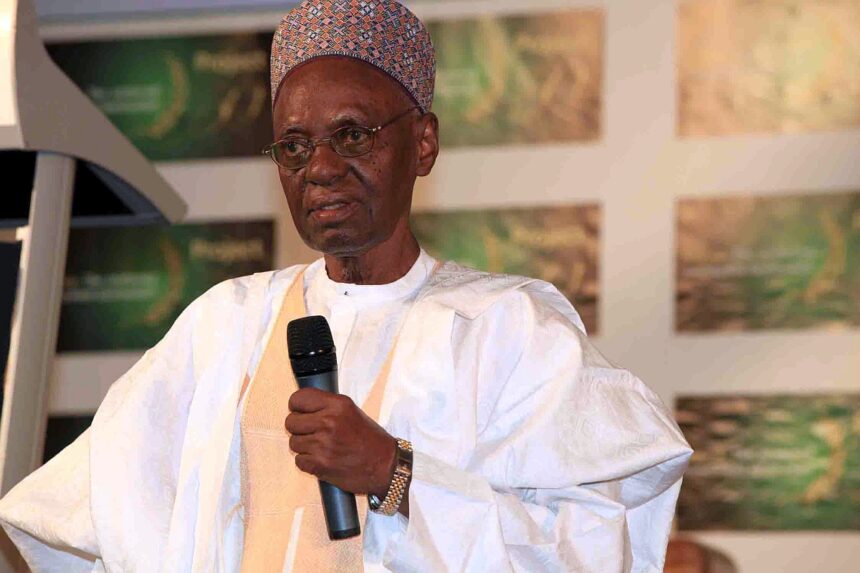
Nigeria’s former President, Alhaji Shehu Shagari, reportedly rejected the ₦50,000 annual salary approved for him in 1979, describing the amount as excessive and proposing significantly lower salaries for himself and other top public officeholders.
According to a historical account published by Ethnic African Stories, the National Assembly had initially approved a salary structure for the country’s top political officeholders following the return to democratic rule in 1979.
Under the arrangement, the President was to earn ₦50,000 annually, while the Vice-President was allocated ₦30,000. The Senate President was to receive ₦22,000, senators ₦17,000, the Speaker of the House of Representatives ₦20,000 and other members of the House ₦16,000. Ministers were also approved to earn ₦16,000 annually.
The salary structure, however, attracted criticism, with New Nigerian newspaper questioning the financial implications of the package and the judgment of lawmakers who approved it.
In an editorial, the newspaper reportedly described the salaries and accompanying fringe benefits as too demanding on the nation’s treasury, arguing that legislators appeared disconnected from the country’s economic realities.
Days after the approval, Shagari reportedly rejected his proposed ₦50,000 annual salary, insisting that it was too high.
He also opposed the salaries approved for other public officeholders and proposed a downward review, arguing that remuneration for political leaders should reflect Nigeria’s financial circumstances and remain consistent with the national salary structure.
Under his proposal, the President would earn ₦25,000 annually, while the Vice-President would receive ₦21,000. The Senate President was proposed to earn ₦16,000, senators ₦12,000, the Speaker of the House of Representatives ₦15,000 and other members ₦10,000.
Ministers were proposed to earn ₦15,000, while governors and deputy governors were allocated ₦20,000 and ₦16,000 respectively.
According to the historical account, Shagari maintained that any salary arrangement for public officeholders must take into consideration the country’s financial position.
The President’s position, however, triggered a disagreement with the National Assembly, which reportedly challenged the authority of the President and the Council to overturn salary decisions made by the legislature.
The disagreement subsequently developed into a constitutional and political standoff over the powers of the executive and legislature in determining the remuneration of public officeholders.
The dispute was eventually resolved following a subsequent meeting involving political parties, government chief executives and legislative leaders, which produced a revised salary structure.
Under the final arrangement reported in the historical account, the President was to earn ₦30,000 annually, while the Vice-President would receive ₦21,000.
The Senate President’s salary was fixed at ₦17,000, senators were allocated ₦14,000, the Speaker of the House of Representatives ₦17,000, other members of the House ₦12,000 and ministers ₦16,000 annually.
The account offers a historical perspective on debates over political officeholders’ salaries, public spending and accountability in Nigeria, particularly during the country’s early years of the Second Republic.
Credit: Ethnic African Stories