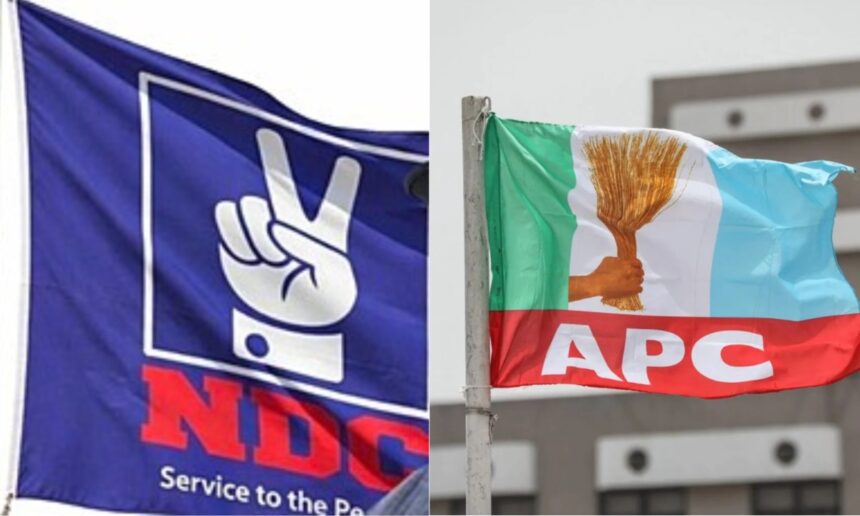
ASABA — Political discussions ahead of the 2027 Delta State governorship election are gathering momentum, with residents and stakeholders expressing divergent views on a potential contest between incumbent Governor and Deacon of the National Democratic Coalition (NDC).
The debate comes amid reports of growing political realignments in the state, including the defection of several prominent politicians to the NDC, a development supporters say could strengthen the party’s chances in the next governorship election.
Political observers note that Governor Oborevwori remains a strong contender for re-election due to the advantages of incumbency and the political structure supporting his administration. However, supporters of the NDC argue that the emergence of Chris Iyovwaye could make the race more competitive.
In reactions gathered from residents and political stakeholders, opinions were sharply divided over who should lead the state beyond 2027.
Some respondents expressed support for Governor Oborevwori, citing continuity in governance and the belief that experience in office gives him an edge over potential challengers.
Others, however, backed Iyovwaye and the NDC, arguing that Delta State needs a new political direction. Critics of the current administration pointed to infrastructure development, economic issues and political alignments as factors influencing their preference for change.
Several respondents also linked their choices to broader national political considerations, while others stressed the need to evaluate candidates based on competence, leadership qualities and their vision for the state’s development.
The discussion has also generated conversations within religious and community circles, with some observers highlighting the candidates’ faith backgrounds as a possible factor in public perception.
Although the 2027 election remains some distance away, political analysts believe the growing public engagement reflects increasing interest in the future leadership of Delta State.
As political parties continue consultations and preparations ahead of the election cycle, residents are expected to play a decisive role in shaping the outcome through their support, mobilisation efforts and eventual votes at the polls.