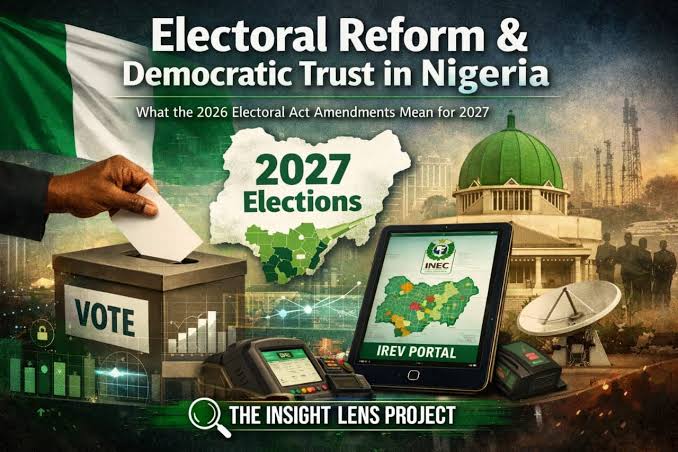
Nigeria’s electoral framework has undergone a significant shift with the introduction of updated campaign spending limits, increasing the maximum amount candidates can expend during elections compared to provisions in the Electoral Act 2022.
Under the proposed Electoral Act 2026, the ceiling for presidential election expenses has been raised from ₦5 billion to ₦10 billion, effectively doubling the allowable spending for candidates seeking the nation’s highest office.
Similarly, governorship candidates will now be permitted to spend up to ₦3 billion, a substantial increase from the ₦1 billion limit set in the 2022 Act.
For legislative elections, the revised limits also reflect sharp increases. Senatorial candidates can now spend up to ₦500 million, up from ₦100 million, while candidates contesting seats in the House of Representatives have their cap raised from ₦70 million to ₦250 million.
The upward review of these limits signals a major policy shift aimed at reflecting current economic realities, including inflation and the rising cost of political campaigns. However, it has also sparked concerns among observers about the potential for increased monetisation of the electoral process and the widening gap between wealthy candidates and grassroots contenders.
Analysts note that while higher limits may provide flexibility for candidates to effectively reach voters across Nigeria’s vast constituencies, strict enforcement and transparency mechanisms will be critical to prevent abuse and ensure a level playing field.
The development is expected to shape campaign strategies ahead of future elections, as political parties and candidates adjust to the new financial thresholds.