By Staff Reporter
Marriage is often described as a journey of companionship, but for some couples, the realities of life after the wedding can expose differences that were less visible during courtship.
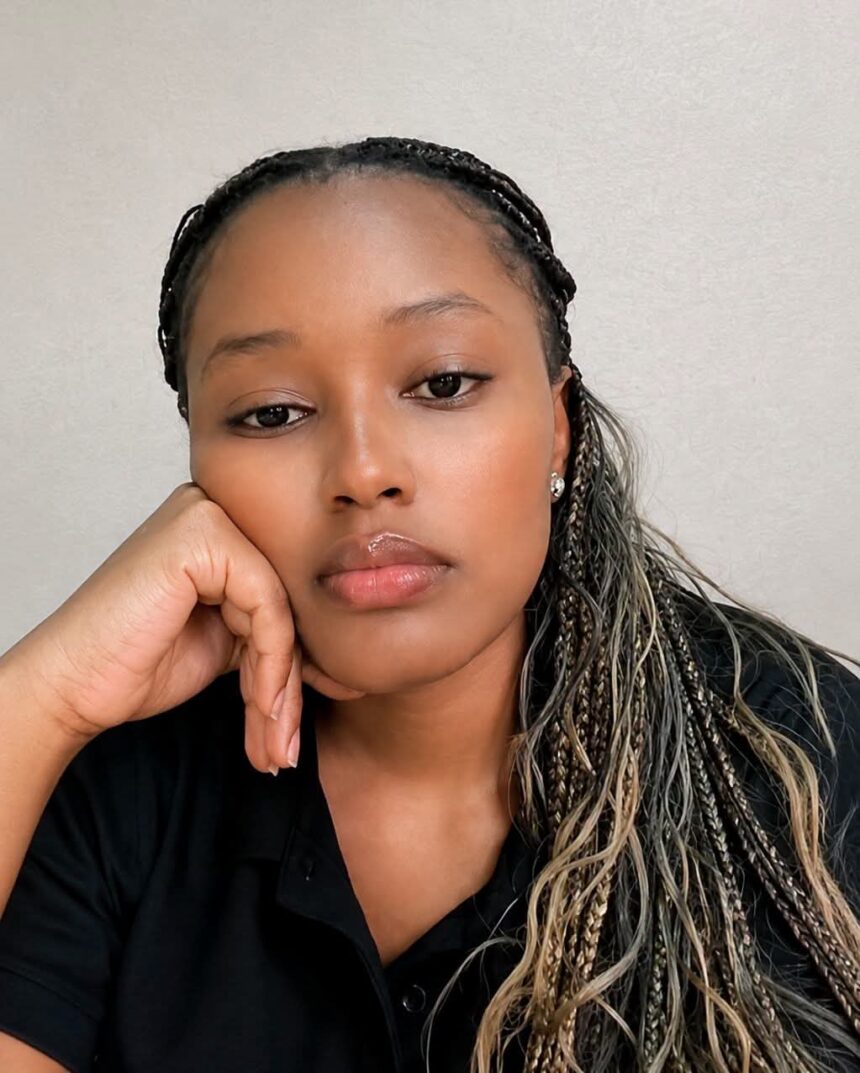
A social media commentary by Fiona Wageci has sparked discussion around the experiences of men who feel that their partners changed significantly after marriage.
Wageci argued that some men enter marriage with women who appear affectionate, accommodating and supportive during courtship, only to encounter a different dynamic after the wedding.
“Men are suffering because they married women who turned into completely different people after the wedding,” she wrote, attributing the experience to what she described as a growing pattern in modern relationships.
She further argued that some women seek the emotional and financial security associated with marriage while resisting what she described as traditional responsibilities expected of wives.
The comments have resonated with broader conversations about the pressures facing families today, including financial difficulties, changing gender expectations, work-related stress, communication problems and disagreements over household responsibilities.
However, relationship experts and family counsellors often caution against reducing marital difficulties to the behaviour of one gender. Changes in behaviour after marriage can be influenced by several factors, including unmet expectations, unresolved personal issues, financial pressures, emotional disconnection and poor communication.
For some couples, the transition from courtship to marriage can also bring new responsibilities that neither partner fully anticipated. Decisions about money, careers, parenting, extended family, household duties and intimacy can test relationships in ways that dating may not reveal.
Intimacy, in particular, can become a sensitive issue. Changes in sexual desire may be connected to stress, exhaustion, pregnancy, childbirth, emotional conflict, health concerns or feelings of neglect within the relationship. Treating such changes simply as rejection or unwillingness can deepen resentment rather than resolve the underlying problem.
Similarly, the idea that one partner must always be “submissive” may mean different things to different couples. Healthy marriages generally require mutual respect, compromise, responsibility and the willingness of both partners to listen and adjust.
The challenge, therefore, may not simply be that people “change after marriage,” but that couples sometimes enter marriage with unrealistic expectations about who their partners are and what married life will require.
As families navigate increasing economic pressures, demanding careers, social media influence and changing ideas about gender roles, communication and emotional maturity have become increasingly important to marital stability.
Wageci’s remarks have nonetheless opened another conversation about a question many married couples quietly confront: How do couples preserve the affection and understanding of courtship when marriage introduces responsibilities that can change the dynamics of a relationship?
For men and women alike, the answer may lie less in blaming one another and more in building marriages where honesty, respect, shared responsibility and open communication survive long after the wedding ceremony.