Health agency says election delay is not being considered for now, but a worsening outbreak could prompt reassessment
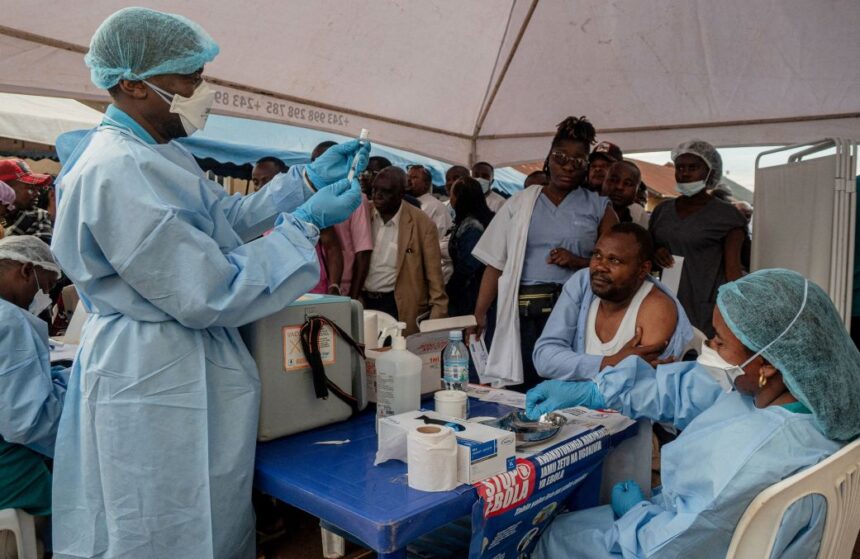
The Nigeria Centre for Disease Control and Prevention (NCDC) has reportedly said that postponement of the 2027 general elections could become a consideration if an Ebola outbreak escalates significantly and poses a serious threat to public health.
The Director-General of the agency, Dr Jide Idris, was quoted as making the remarks during an interview on Channels Television, where he reportedly stressed that there was currently no need to postpone the elections.
According to the report, Idris explained that any consideration of postponement would depend on the severity and spread of the outbreak, as well as the potential risks to public safety.
He reportedly maintained that the immediate priority was to monitor the public health situation and take appropriate measures to contain the virus.
No Decision to Alter Election Timetable
Despite concerns surrounding the reported outbreak, there is no confirmed decision to change the timetable for the 2027 general elections.
The Independent National Electoral Commission (INEC) has scheduled the presidential and National Assembly elections for January 16, 2027, while the governorship and State Houses of Assembly elections are scheduled for February 6, 2027.
The reported comments by the NCDC chief should therefore not be interpreted as an announcement that the elections will be postponed.
Any change to the election schedule would have to be handled by the relevant electoral authorities in accordance with the applicable legal framework.
Ebola Concerns Generate Public Debate
The reported possibility of an election delay has prompted discussions about the potential implications of a public health emergency for political campaigns, mass gatherings and voting activities.
The timing of the reported outbreak has also generated speculation on social media, including questions about whether the situation could have political implications.
However, such speculation should not be treated as evidence of political interference or deliberate manipulation without credible supporting information.
Public health authorities would need to assess the actual level of risk, the geographical spread of the disease and the effectiveness of containment measures before any exceptional steps could be justified.
For now, the key message attributed to the NCDC is that postponement is not currently necessary, although a significant deterioration in the public health situation could prompt further consideration.
The 2027 election timetable therefore remains unchanged unless INEC or another legally authorised body announces otherwise.