… Says one Nigerian woman dies every seven minutes from pregnancy-related complications
… Calls for urgent reforms in maternal and child healthcare
Women physicians have been urged to move beyond clinical practice and take leading roles in healthcare policy formulation and strategic decision-making to address Nigeria’s alarming maternal and child mortality rates.
The call was made by Professor Kikelomo Ololade Wright, keynote speaker at the 2026 Annual General Meeting (AGM) and Scientific Conference of the Medical Women’s Association of Nigeria (MWAN), Lagos State Branch, held on Wednesday in Lagos.
Wright, who spoke on the theme, “Women Physicians at the Forefront of Health Equity: Advancing Women, Children and Community Health,” said Nigeria’s maternal mortality crisis required urgent and coordinated intervention by government, healthcare professionals and other stakeholders.
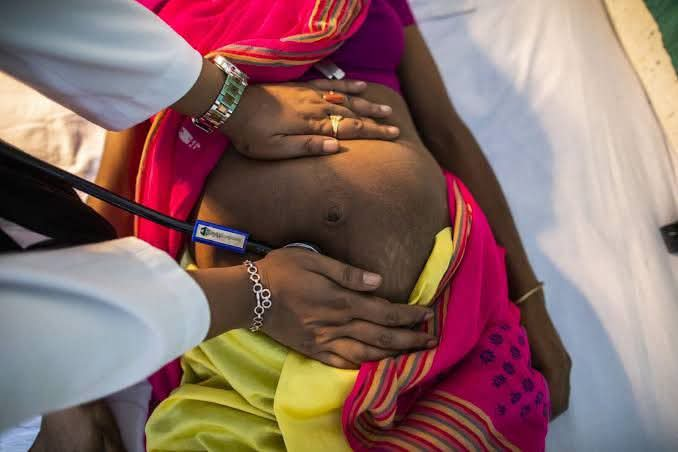
Citing United Nations figures, the Professor of Public Health and Community Medicine at the Lagos State University College of Medicine said approximately 75,000 Nigerian women died from pregnancy and childbirth-related complications in 2023, accounting for nearly three in every 10 maternal deaths globally.
“That is one woman every seven minutes,” she said, describing the statistics as alarming, particularly because many of the deaths were preventable.
Wright challenged female doctors to recognise their responsibility beyond attending to patients, insisting that they must also occupy strategic positions where decisions affecting healthcare delivery are made.
“Not on the sidelines, not behind, not supporting, but we’re at the front,” she declared.
According to her, women physicians must be adequately represented on hospital boards, health committees and other platforms where healthcare policies and priorities are determined.
“We deliver most of the care. We must also shape the decisions. It is non-negotiable,” she added.
She further expressed concern over Nigeria’s estimated maternal mortality ratio of 993 deaths per 100,000 live births, noting that the figure was about five times the global average and significantly higher than the Sustainable Development Goal (SDG) target of 70 deaths per 100,000 live births.
The professor also questioned why maternal deaths remained high despite the presence of some of the country’s best medical facilities in Lagos State, noting that certain communities continued to record particularly disturbing outcomes.
She said the situation raised serious concerns about the capacity of primary healthcare facilities to identify and manage obstetric emergencies, the availability of blood for transfusion, emergency referral arrangements and access to life-saving medical interventions.
Wright stressed the need for functional referral systems that would effectively connect primary healthcare centres with secondary and tertiary hospitals to ensure that pregnant women experiencing complications receive prompt and appropriate treatment.
Emphasising the importance of saving both mothers and babies, she said the objective of maternal healthcare should go beyond ensuring that women survive childbirth.
“Our goal is not just to safely leave you. Our goal is to ensure that everyone who leaves us goes home with her baby or with her babies,” she said.
Wright identified obstetric haemorrhage, hypertensive disorders of pregnancy, sepsis, complications arising from unsafe abortions and ruptured uterus as some of the major causes of preventable maternal deaths.
She maintained that addressing these challenges would require stronger healthcare infrastructure, improved emergency response systems, better access to essential medical services and greater commitment to maternal and child health.
The professor’s call underscored the need for women physicians to combine their clinical expertise with leadership and policy advocacy in the drive towards equitable and accessible healthcare for women, children and communities across Nigeria.
Credit: Vanguard