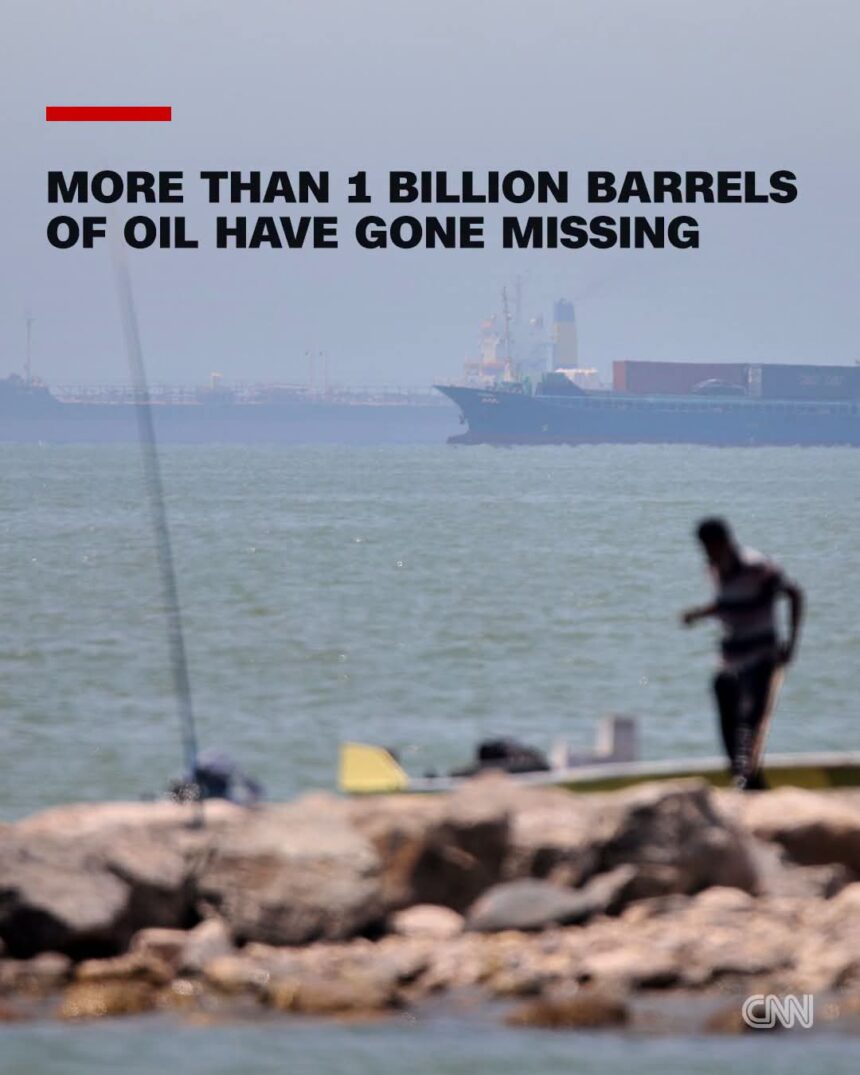
The Strait of Hormuz has reopened following the signing of a memorandum of understanding (MoU) between Iran and the United States this week, raising hopes for the restoration of normal oil shipments through one of the world’s most critical energy chokepoints.
The agreement, which includes provisions to reopen the strategic waterway and ease maritime tensions, comes after months of disruptions that rattled global energy markets and heightened concerns over supply security. According to CNN, the deal marks a significant diplomatic breakthrough between Washington and Tehran and is expected to pave the way for further negotiations aimed at reducing regional tensions.
However, analysts warn that the reopening may come too late to fully reverse the economic fallout. The prolonged uncertainty surrounding the Strait of Hormuz through which roughly one-fifth of the world’s oil supply passes has already forced shipping companies, insurers and energy traders to adjust routes, absorb higher costs and seek alternative supply chains.
While the agreement has boosted optimism and eased immediate fears of a prolonged blockade, questions remain about the long-term stability of the arrangement and whether confidence among global energy markets can be restored quickly.
The Strait’s reopening is expected to improve the flow of oil and liquefied natural gas exports from the Gulf, but experts say the broader impact of recent disruptions could continue to affect prices and trade patterns in the months ahead.
Source: CNN