By Abdul-Kadir Abdullah
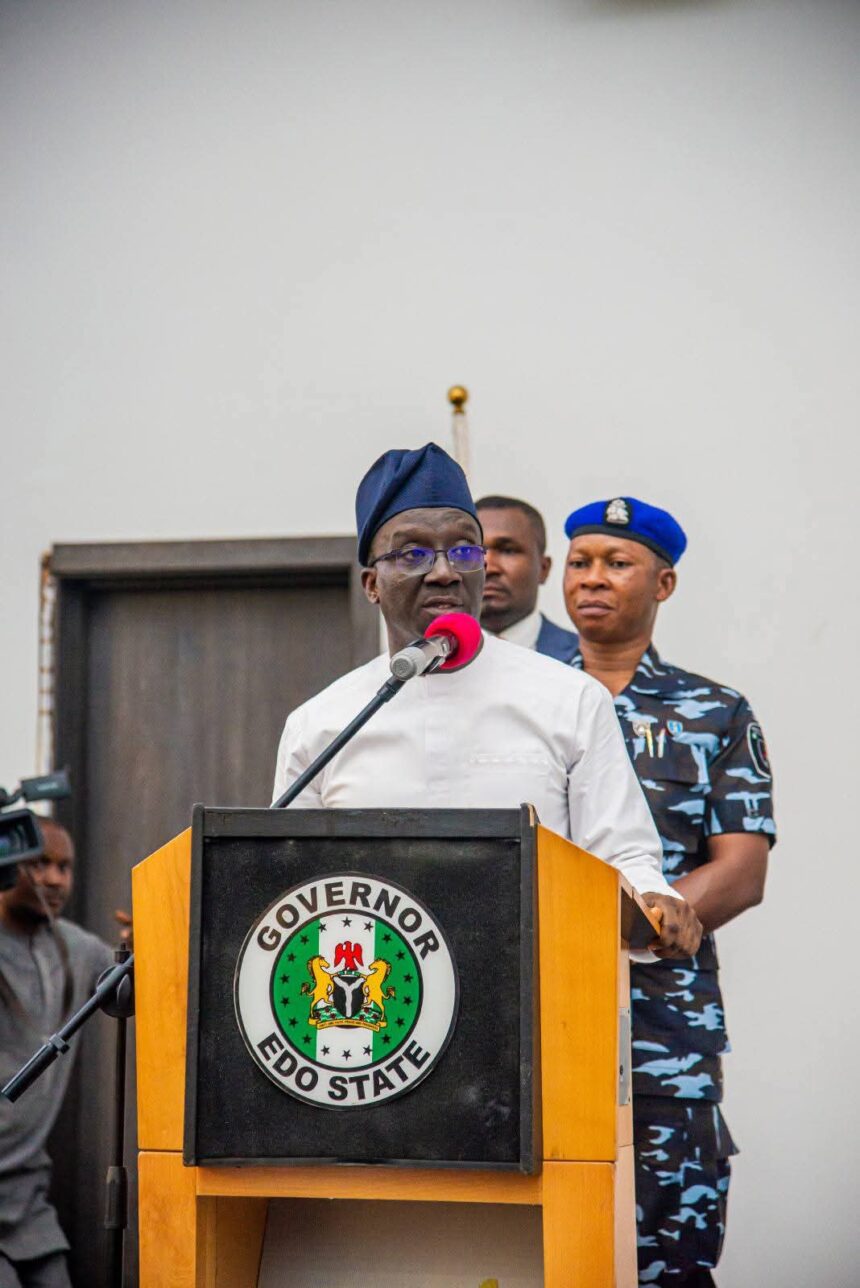
When Governor Monday Okpebholo announced a ₦1 billion interest-free loan scheme in June 2025, it was more than a routine policy rollout—it was a bold declaration of economic direction. At a time when soaring costs and limited access to credit continue to stifle small businesses across Nigeria, Edo State opted for a people-first solution that puts opportunity directly in the hands of its citizens.
Today, the impact of that decision is becoming increasingly evident. Quietly but decisively, the initiative is strengthening livelihoods, energising local commerce, and laying a sustainable foundation for inclusive economic growth across the state.

Designed to avoid the pitfalls of elitist or opaque lending programmes, the Okpebholo administration adopted a transparent and equitable framework. Under the scheme, ₦200,000 was disbursed to 5,000 beneficiaries across Edo Central, Edo South, and Edo North senatorial districts—ensuring balanced development and broad-based economic impact.
The programme, implemented through the Edo State Skills Development Agency (EdoJobs), deliberately targeted the backbone of the grassroots economy. Beneficiaries include traders, market women, farmers—such as Fadama and other organised farming groups—artisans, and small-scale entrepreneurs whose daily activities sustain households and communities.
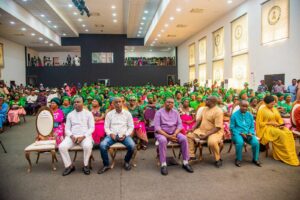
For many recipients, the interest-free loan marked a turning point. Traders restocked and diversified their goods, market women expanded inventory and improved turnover, farmers invested in inputs that boosted yields, while artisans and entrepreneurs acquired tools that enhanced productivity.
Crucially, the absence of interest and the provision of flexible repayment terms relieved beneficiaries of the financial pressure associated with conventional lending. This has allowed them to grow steadily, reinvest profits, and in several cases, employ additional hands—contributing to job creation and improved household income.
The scheme also delivers on a core campaign promise by Governor Okpebholo to support micro and small businesses often excluded from formal credit systems. Beyond Edo State, the initiative aligns with President Bola Ahmed Tinubu’s Renewed Hope Agenda, which prioritises economic inclusion, grassroots empowerment, and sustainable livelihoods.
By requiring beneficiaries to repay only the principal, the administration has ensured the programme’s sustainability as a revolving fund—making room for future beneficiaries and long-term impact.
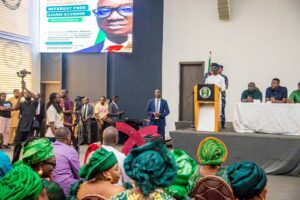
In recognition of its success, another ₦1 billion has been provided for in the proposed 2026 Edo State budget to fund a second batch of beneficiaries, subject to approval by His Excellency. If approved, the expansion will significantly broaden the programme’s reach and strengthen its role as a cornerstone of Edo State’s economic strategy.
What truly distinguishes this initiative is its philosophy. Governor Okpebholo’s approach acknowledges that genuine economic growth begins at the grassroots—in markets, farms, workshops, and small businesses where everyday effort is transformed into enterprise.
As the ripple effects continue through stronger businesses, rising incomes, and more vibrant local economies, the ₦1 billion interest-free loan scheme stands as a powerful example of people-centred governance. It reinforces a simple but profound truth: when public policy responds to real needs, development becomes not only visible, but deeply felt.