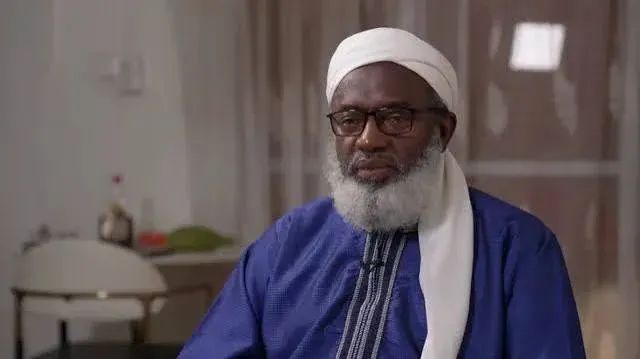
Controversial Islamic cleric, Sheikh Ahmad Gumi, has questioned why Nigerian government officials have not engaged Boko Haram insurgents and armed bandits in dialogue, drawing comparisons with past peace efforts involving Niger Delta militants.
In a Facebook post on Saturday, Gumi recalled how former President Goodluck Jonathan and former Vice President Yemi Osinbajo visited militants in the Niger Delta creeks at different times to explore peaceful solutions to the region’s security challenges.
According to him, those engagements resulted in programmes that helped reduce militancy and restore relative peace in the oil-producing region.
“The former President Jonathan visited delta militants in the creeks, so also the former vice president Osinbajo. They all came up with a program to tame the militants,” Gumi wrote.
The cleric then questioned who would be willing to initiate similar dialogue with Boko Haram insurgents and armed bandits operating across northern Nigeria without attracting widespread criticism.
“Who is going to visit BH and Bandits to tame them without fools castigating them?” he asked.
Gumi has long advocated dialogue as a strategy for addressing insecurity in the North-West and North-East. Over the years, he has visited bandit camps in states including Zamfara, saying the engagements were aimed at understanding the grievances of the armed groups and encouraging them to embrace peace.
He has consistently argued that the negotiation model adopted in the Niger Delta should be considered in tackling insurgency and banditry in northern Nigeria.
However, his stance has remained controversial. While some Nigerians believe dialogue could help reduce violence and facilitate the release of kidnapped victims, others have accused the cleric of legitimising criminal groups responsible for killings, kidnappings and other violent crimes.
Gumi, a retired military officer, has repeatedly denied supporting terrorism or banditry, maintaining that his advocacy is solely focused on ending the cycle of violence through dialogue, reconciliation and rehabilitation.
Credit: Punch