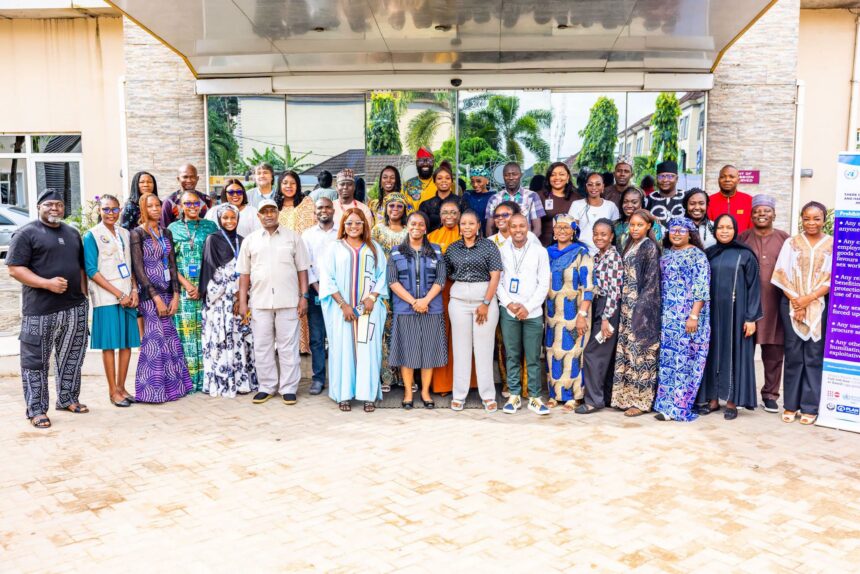
The United Nations system in Nigeria is set to strengthen its response to Sexual Exploitation, Abuse and Harassment (SEAH) through specialised training for 44 frontline responders and focal persons across 10 states in five geopolitical zones.
The UN Victim Assistance Protocol Training is designed to equip participants with the knowledge, practical tools and victim-centred approaches required to provide timely, coordinated and effective support to people affected by SEAH and related forms of sexual violence.
The initiative is part of broader efforts to strengthen prevention, preparedness and response mechanisms across the United Nations system in Nigeria, while ensuring that victims have access to safe, confidential and quality support services.
The training will bring together personnel from the interagency Prevention of Sexual Exploitation, Abuse and Harassment (PSEAH) Network, with a focus on improving their capacity to respond effectively to reported cases and strengthen coordination among relevant actors.
Organisers said the programme will also support the review and updating of referral pathways, helping responders better connect victims with appropriate protection, health, psychosocial, legal and other support services.
The initiative is expected to strengthen coordination among agencies and improve the overall quality and timeliness of assistance provided to victims.
According to the organisers, protecting people from SEAH requires strong systems, adequately trained responders and an unwavering commitment to preserving the dignity and rights of victims.
They stressed that every victim should have access to safe, confidential and quality support, regardless of their location or circumstances.
By strengthening the capacity of PSEAH Network personnel and improving referral and coordination mechanisms, the training is expected to contribute to a more accountable, responsive and survivor-centred framework for addressing SEAH and other forms of sexual violence in Nigeria.
The initiative further underscores the importance of placing victims at the centre of prevention and response efforts while ensuring that institutions are equipped to respond effectively and responsibly to allegations of sexual misconduct.