The Federal Government’s proposal to replace Nigeria’s long-standing 6-3-3-4 education system with a 12-year uninterrupted basic education model has generated widespread reactions from Nigerians, education stakeholders, and policy analysts.
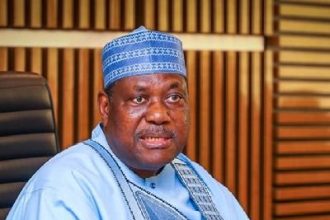
Minister of Education, Dr. Maruf Tunji Alausa, announced the proposal on Tuesday, saying the reform is aimed at providing continuous basic education for Nigerian children without the transition from Junior Secondary School (JSS) to Senior Secondary School (SSS).
The proposal has since ignited debate across the country, with many Nigerians expressing support for the initiative while others questioned whether the country has the capacity to successfully implement such a reform.
Some supporters described the proposal as a step in the right direction but insisted that education at both primary and secondary levels should be made free and compulsory.
Others argued that the proposed model is largely similar to the existing 6-3-3-4 structure, noting that the major difference is the removal of the interruption between junior and senior secondary education, with certification coming only after the completion of 12 years of basic education.
Several social media users also reacted humorously to the announcement, likening the 6-3-3-4 system to a football formation and joking that changing the “formation” would not automatically improve educational outcomes.
Education stakeholders, however, stressed that meaningful reform goes beyond restructuring the number of years spent in school.
They called on the government to prioritise improved welfare for teachers through better salaries, timely promotions, rural posting allowances, and enhanced working conditions. School administrators were also urged to provide principals with essential facilities, including official vehicles, computers, photocopiers, and other administrative tools.
Many contributors argued that Nigeria’s education system should place greater emphasis on skills acquisition, technology-driven learning, entrepreneurship, and vocational education to better prepare students for the realities of today’s economy.
While some welcomed the proposal as long overdue, saying it could reduce the rate of school dropouts between JSS and SSS, others maintained that the country’s education challenges are rooted in poor funding, inadequate infrastructure, insecurity, and weak implementation of government policies.
Some critics questioned the timing of the proposed reform, arguing that the Federal Government should first address insecurity, improve learning environments, rehabilitate public schools, and increase teachers’ remuneration before introducing another structural change.
Others also linked the high rate of school dropouts to poverty, rising living costs, and insecurity rather than the 6-3-3-4 education system itself, insisting that changing the framework alone would not solve the underlying problems.
There were also concerns about whether the reform could affect examination bodies that currently conduct assessments at the primary six and JSS3 levels.
Despite the differing opinions, many Nigerians agreed that any meaningful education reform must be accompanied by adequate funding, improved infrastructure, better teacher motivation, and stronger implementation if it is to achieve its intended objectives.