By Endurance Ikanone
As political conversations gradually gather momentum ahead of the next election cycle, discussions about the future of Delta Central Senatorial District are becoming more prominent. Across communities, town halls and public spaces, many constituents are beginning to assess the performance of those entrusted with representing the district in the National Assembly.
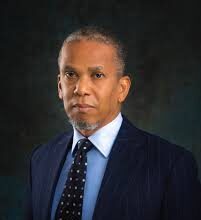
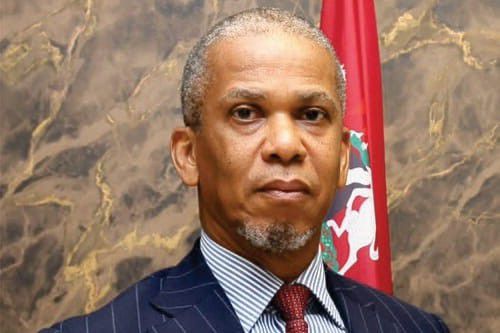
Among the names being mentioned, Senator Ede Dafinone continues to attract considerable support from many residents who believe his first term has been defined by responsive representation, accessibility and meaningful constituency engagement.
For these supporters, their assessment is not based solely on party loyalty or electioneering rhetoric. Rather, they point to what they describe as a consistent record of legislative service, community development and direct intervention in the lives of constituents across the eight local government areas of Delta Central—Udu, Ughelli North, Ughelli South, Sapele, Ethiope East, Ethiope West, Okpe and Uvwie.
One recurring sentiment expressed by many beneficiaries is that Senator Dafinone has remained accessible to the people who elected him. In an era when many elected officials are often criticised for becoming distant after elections, supporters argue that the senator has maintained regular engagement with constituents and has responded to genuine requests for assistance whenever possible.
His interventions, they say, have covered several sectors. Students from financially challenged backgrounds have reportedly benefited from educational support, while families facing medical emergencies have received assistance that eased the burden of healthcare expenses.
Youth empowerment has also featured prominently in his constituency programmes. Through vocational training, business support initiatives and the distribution of work tools, many young people and artisans have been equipped to establish or expand their means of livelihood. Farmers have equally benefited from agricultural support programmes aimed at improving productivity and encouraging sustainable farming.
Community leaders also acknowledge his support for various community-based initiatives designed to promote grassroots development and improve social welfare.
Beyond these interventions, Senator Dafinone has received commendation for promoting the cultural heritage of the Urhobo people. His revival of the Urhobo Language Competition, originally introduced by the late Senator Pius Ewherido, has been widely welcomed by traditional rulers, educators and cultural advocates.
The initiative has rekindled interest among young people in learning the Urhobo language while encouraging schools to promote indigenous language education. Many cultural stakeholders regard the programme as an important contribution to preserving the identity and heritage of the Urhobo nation.
Healthcare has remained another significant area of his constituency outreach. Through medical missions organised across Delta Central, thousands of residents have reportedly benefited from free consultations, laboratory tests, medications, eye care services and other medical interventions. These programmes have particularly assisted elderly residents and low-income families who might otherwise struggle to access quality healthcare.
His interventions have also extended to the provision of medical equipment to healthcare facilities, with the aim of strengthening service delivery within the district.
Economic empowerment initiatives have similarly targeted traders, women, artisans, farmers and young entrepreneurs. Beneficiaries have received vocational equipment, business support materials, agricultural inputs and practical training intended to encourage self-reliance and improve household incomes.
Within the Senate, Senator Dafinone has continued to contribute to national debates on fiscal policy, taxation, economic reforms, youth employment and private sector development. Drawing from his professional background in finance and corporate governance, he has participated in legislative discussions on issues affecting national economic growth and governance.
Political observers who support his work argue that his approach has been characterised more by policy engagement and constituency service than by political theatrics.
As discussions about the next senatorial election continue, many residents believe the focus should remain on performance, accessibility and the tangible impact of representation rather than campaign promises alone.
For supporters of Senator Dafinone, his record in education, healthcare, youth empowerment, economic development, cultural preservation and legislative engagement provides a solid basis for seeking another mandate from the people of Delta Central.
Ultimately, the decision rests with the electorate. However, as the time approaches for voters to make that choice, many believe Senator Ede Dafinone has built a record that places him among the strongest contenders to continue representing Delta Central Senatorial District in the National Assembly.