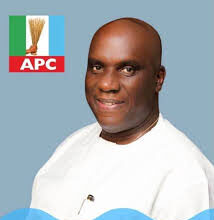
A Nigerian public affairs commentator, Ageloisa Jacob Friday, has identified tribalism, religious bigotry, and partisan politics as the three major forces hindering Nigeria’s development, describing them as a “Threefold Goliath” that continues to undermine national unity and progress.
In a statement made available to the press, Friday argued that despite Nigeria’s vast natural resources, human capital, and economic potential, the country remains trapped in avoidable socio-political challenges fueled by internal divisions.
According to him, tribal sentiments have become a major obstacle to national development, as many citizens often prioritize ethnic loyalty over competence, accountability, and merit.
“Instead of viewing our ethnic diversity as a strength, it has been weaponized into a tool of division. When ethnicity supersedes character and competence, merit suffers, and the nation pays the price,” he stated.
Friday also expressed concern over what he described as growing religious bigotry, noting that faith, which should promote morality and unity, has increasingly become a source of division.
He observed that insecurity, poverty, inflation, poor healthcare, and failing infrastructure affect all Nigerians regardless of their religious affiliation.
“Kidnapping, banditry, economic hardship, and insecurity do not discriminate between those who worship in churches and those who pray in mosques,” he said.
On the political landscape, Friday criticized what he termed excessive partisan loyalty, arguing that political parties have evolved into instruments for acquiring power rather than vehicles for advancing national development.
He maintained that blind allegiance to political parties often prevents citizens from holding leaders accountable for poor governance and policy failures.
According to him, the political class has continued to exploit ethnic, religious, and political divisions to distract citizens from more pressing national issues such as corruption, insecurity, economic mismanagement, and infrastructural decay.
“The political elite understand that as long as citizens remain divided along tribal, religious, and party lines, attention will be diverted from the real issues affecting the nation,” he said.
CALL FOR COLLECTIVE CONSCIOUSNESS
Friday stressed that Nigeria’s liberation from these challenges lies in the emergence of a collective national consciousness that prioritizes competence, accountability, and patriotism above sectional interests.
He urged Nigerians to recognize that bad governance, rather than ethnic or religious differences, remains the common challenge confronting citizens across the country.
Addressing the country’s worsening security and economic challenges, he described kidnapping, insurgency, banditry, corruption, and economic hardship as interconnected threats requiring a united response.
According to him, insurgency and banditry have evolved into major threats to national sovereignty, displacing communities, disrupting agricultural activities, and creating widespread fear.
He further noted that kidnapping has transformed into a thriving criminal enterprise affecting people across all social classes, while economic hardship continues to push millions into poverty and vulnerability.
Friday identified systemic corruption as the driving force behind many of the nation’s challenges, arguing that it weakens institutions, deprives security agencies of necessary resources, and diverts public funds away from critical development projects.
ALL HANDS MUST BE ON DECK
The commentator called for a coordinated effort involving government, security agencies, community leaders, religious institutions, and ordinary citizens to tackle the nation’s challenges.
He urged government authorities to demonstrate stronger political will in enforcing the rule of law, combating corruption, and adequately equipping security personnel.
He also encouraged citizens to embrace vigilance, cooperate with security agencies, and reject the tendency to shield criminals based on ethnic or religious affiliations.
Similarly, he called on traditional and religious leaders to use their platforms to promote peace, national unity, and responsible citizenship while discouraging criminality among young people.
“Nigeria stands at a critical crossroads. We can either continue to allow tribal sentiments, religious bigotry, and partisan divisions to weaken us, or we can unite and confront the challenges threatening our collective future,” he said.
Friday emphasized that overcoming insecurity, corruption, and economic hardship is not the responsibility of government alone but a shared civic obligation requiring the participation of all Nigerians.
He expressed optimism that the country can overcome its current difficulties if citizens choose unity over division and national interest over sectional loyalties.
— Ageloisa Jacob Friday