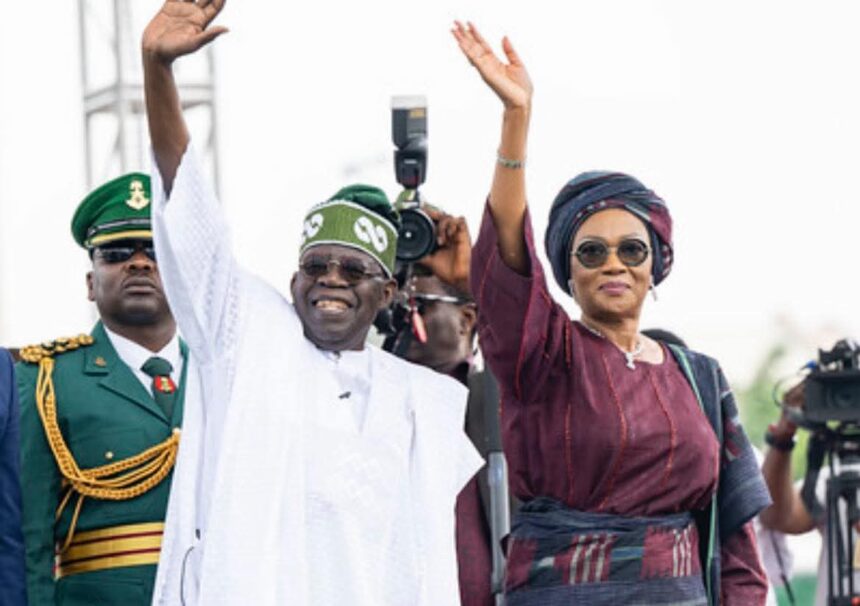
A public affairs commentator says Bola Ahmed Tinubu, is undertaking a sweeping overhaul of Nigeria’s political and economic architecture rather than pursuing cosmetic governance.
In a strongly worded statement, Abiola Aremu Ogunlade argued that President Tinubu “did not come to manage Nigeria” but to fundamentally restructure it, a move he says explains the turbulence currently shaking the system.
Fuel Subsidy Removal: “Painful but Necessary”
Ogunlade described the removal of fuel subsidy as the administration’s first major shock. For over three decades, he said, the subsidy regime served as “political oxygen for corruption.”
In May 2023, President Tinubu announced the end of the subsidy, triggering sharp increases in fuel prices nationwide. While acknowledging the economic pain that followed, Ogunlade maintained the decision was necessary to halt fiscal leakages and redirect national resources.
Exchange Rate Unification
The second major reform cited was the unification of Nigeria’s multiple exchange rate windows. According to Ogunlade, the previous forex structure enabled arbitrage and privileged access to foreign currency.
Under the current policy, he said, the naira now trades more openly in the market, reducing distortions and eliminating what he described as “secret corridor” transactions.
Tax Reform and Revenue Drive
Ogunlade also pointed to ongoing tax reforms aimed at widening the tax base rather than overburdening compliant citizens. The administration’s objective, he said, is to boost government revenue sustainably without resorting to excessive money printing.
He further referenced debt restructuring efforts, moves to rebuild external reserves, and broader initiatives designed to restore investor confidence in Africa’s largest economy.
Supreme Court Ruling on Local Government Autonomy
Another structural shift highlighted was the recent ruling by the Supreme Court of Nigeria affirming greater autonomy for local governments.
Ogunlade described the decision as a potentially transformative change for grassroots governance — provided it is fully implemented.
Renewed Debate Over State Police
Beyond economic reforms, Ogunlade addressed the controversial proposal for state police, arguing that Nigeria’s centralized policing structure is outdated for a country of over 200 million people.
He noted that policing systems in countries such as the United States, the United Kingdom, and Germany are decentralized, with regional or state authorities handling local law enforcement while federal agencies focus on national security.
“Nigeria runs a centralized police system from Abuja for diverse security challenges ranging from banditry in the Northwest to oil theft in the Niger Delta,” he said, questioning the efficiency of such a model.
While critics fear potential abuse of power by state governors, Ogunlade countered that decentralization with strong institutional checks could enhance accountability rather than weaken national unity.
“Reform Is Disruptive”
According to Ogunlade, resistance to subsidy removal, foreign exchange reforms, tax changes, and the state police proposal reflects a broader discomfort with reform.
“You cannot build a 21st-century economy on a 1960 security architecture,” he stated, adding that meaningful change is often disruptive but necessary.
He concluded by posing what he described as the central issue: whether Nigerians are prepared for the structural adjustments required to build a restructured and more efficient nation.