The Victor Malu Military Tribunal emerged as one of the most powerful and controversial instruments of state authority during the final years of Nigeria’s military rule under General Sani Abacha. Established in 1997, the tribunal reflected the intense political tension of the period, defined by widespread allegations of authoritarianism, repression, and deep mistrust between the military government, civilian society, and even factions within the armed forces.
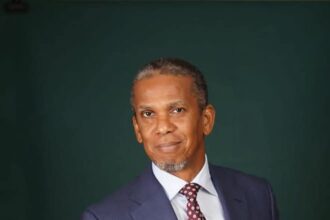
Officially designated as a Special Military Tribunal, it was composed of seven senior serving military officers and chaired by Major General Victor Malu. Headquartered in Jos, Plateau State, the tribunal was mandated to investigate and prosecute individuals accused of plotting a coup against the Abacha regime.
On December 21, 1997, General Abacha formally constituted the tribunal following reports of an alleged coup plot within the military hierarchy, which the government described as a grave threat to national security and state stability. Among those accused were some of the most prominent figures in Nigeria’s military and political landscape. They included Lieutenant General Oladipo Diya, the former Deputy Head of State; Major General Tunji Olanrewaju; Major General Abdulkareem Adisa; and Major Olusegun Fadipe. Several civilians were also charged, including Professor Femi Odekunle, Diya’s political adviser, alongside Daniel Akintonde, Edwin Jando, Peters Alinyode, and Emmanuel Shode. The tribunal commenced its proceedings on February 14, 1998.
The arrests that preceded the tribunal’s work were unprecedented in both scale and symbolism. Eight senior military officers, led by Lieutenant General Diya, were detained on allegations of conspiring to overthrow the government. Diya’s arrest was particularly striking given his position as the second-in-command of the military government. In response, the federal government established the Victor Malu-led tribunal to investigate, try, and sentence the accused. Its composition, drawn entirely from serving military officers, underscored the regime’s preference for internal adjudication of matters it deemed central to national security.
Lieutenant General Diya, five other military officers, and one civilian were charged with treason — an offence punishable by death under Nigerian military law at the time. At the conclusion of its proceedings, the tribunal sentenced the principal defendants to death by firing squad. Four others received life imprisonment, while three were handed prison terms ranging from two to fourteen years. These judgments immediately placed the tribunal at the centre of national and international controversy.
The death sentences sparked widespread outrage and emotional appeals for clemency. Families of the condemned officers publicly pleaded with the government. Notably, Adisa Bakare, father of Major General Abdulkareem Adisa, appealed directly to General Abacha to spare the lives of his son and the other convicted officers.
Pro-democracy groups and civil society organisations also raised serious concerns about the fairness and credibility of the tribunal. The National Democratic Coalition (NADECO), one of the leading opposition movements at the time, expressed deep skepticism over the convictions. Its leader, Abraham Adesanya, said the coalition was unconvinced that the accused had committed the offences for which they were found guilty. He further argued that the government’s previous actions — particularly the execution of Ken Saro-Wiwa and other Ogoni activists — had eroded confidence in the possibility of justice or mercy.
Religious bodies also intervened. The Christian Association of Nigeria appealed to the military government to commute the death sentences, urging compassion. International human rights organisations echoed these concerns, criticising the tribunal for its lack of transparency and due process. Critics widely argued that the proceedings were politically motivated and aimed at neutralising perceived rivals within the military rather than delivering impartial justice.
In retrospect, the Victor Malu Military Tribunal stands as a defining episode of Nigeria’s late military era. It underscored the fragility of the rule of law under military शासन and illustrated how judicial mechanisms could be subordinated to executive authority. The tribunal’s actions intensified both domestic and international pressure on the Abacha regime and strengthened calls for a return to civilian rule. As such, it remains a critical reference point in the study of military justice, authoritarian governance, and Nigeria’s long struggle for democracy.
Credit: Northern Book