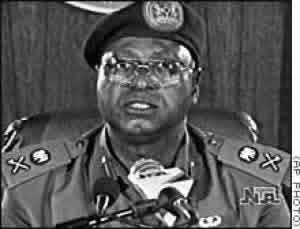
On June 9, 1998, General Abdulsalami Abubakar assumed office as Nigeria’s Head of State following the sudden death of General Sani Abacha a day earlier, marking a significant turning point in the nation’s political history.
Twenty-eight years later, his brief but impactful administration is widely remembered for steering Nigeria away from prolonged military rule and laying the foundation for the country’s democratic rebirth.
Upon taking office, Abdulsalami moved swiftly to restore public confidence in governance by unveiling a transition programme aimed at returning the country to civilian rule. His government released political detainees, reopened political space, and facilitated the formation of political parties after years of military dominance.
One of the defining achievements of his administration was the adoption of a new constitution and the successful conduct of a series of elections that culminated in the handover of power to a democratically elected government.
On May 29, 1999, less than a year after assuming office, Abdulsalami fulfilled his promise by handing over power to President Olusegun Obasanjo, bringing an end to decades of intermittent military rule and ushering in Nigeria’s Fourth Republic.
Today, Abdulsalami Abubakar’s tenure remains a notable chapter in Nigeria’s democratic journey, remembered for its commitment to a peaceful transition and the restoration of constitutional governance.