Rising fuel prices and energy supply disruptions are triggering protests in several countries as escalating conflict in the Middle East continues to put pressure on global oil markets, with the impact also being felt by Nigerian consumers.
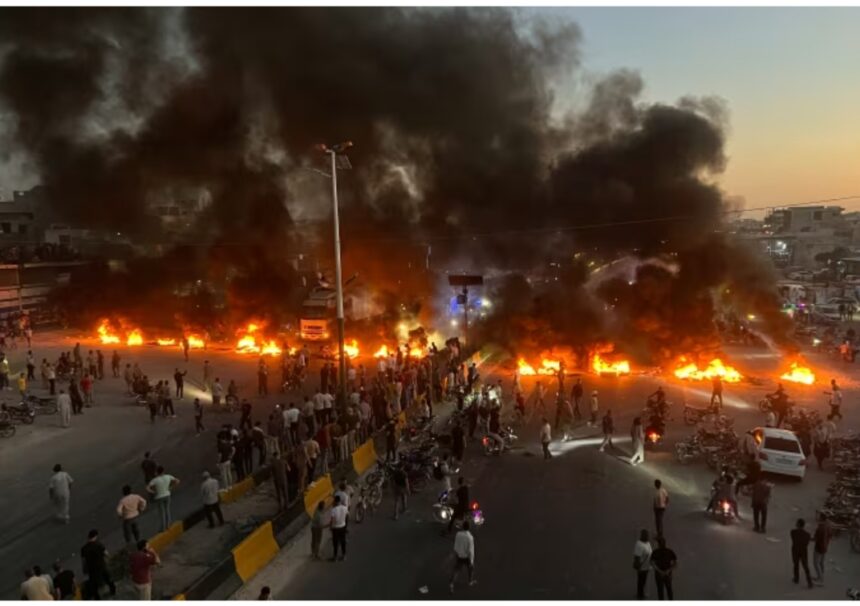
In Syria, demonstrators took to the streets after the government sharply increased the prices of diesel and petrol. The diesel price was raised by 40 per cent to 175 Syrian pounds per litre, while gasoline prices also increased.
The protests, described by Reuters as Syria’s most widespread demonstrations since the fall of Bashar al-Assad nearly two years ago, saw demonstrators burn tyres and block major roads, including routes linking Damascus and Aleppo. Some protesters also obstructed crude-oil tanker convoys.
Syrian authorities attributed the increases to higher global fuel procurement costs, the country’s dependence on imports and the temporary shutdown of the Baniyas refinery for maintenance. The increases have added to the economic pressure on a population already facing severe hardship.
The unrest in Syria is part of a wider global energy shock. International oil prices have climbed sharply amid disruptions to supply and shipping routes linked to the Middle East conflict. Brent crude recently traded above $100 per barrel, while the International Energy Agency warned that global oil supply could decline significantly in 2026 as conflict-related disruptions affect production and transportation.
France has also witnessed protests over rising fuel costs, with unions staging nationwide demonstrations on September 15. Energy workers reduced operations at the country’s largest liquefied natural gas terminal, while fishermen in southern France blocked a fuel depot in protest against higher fuel expenses.
Nigeria feels the pressure
Nigeria, despite being a major crude-oil producer, has not been insulated from the effects of the international energy market.
Recent increases in global crude prices have translated into higher domestic petrol prices. In Abuja, the Dangote Petroleum Refinery recently increased its petrol gantry price from ₦1,265 to ₦1,350 per litre, an increase of ₦85 or 6.7 per cent.
In Calabar, a survey of filling stations conducted on September 15 showed petrol selling for between ₦1,450 and ₦1,500 per litre. Residents expressed concern over the latest increase and its potential effect on transportation and the prices of goods and services.
The Nigerian situation differs from that of countries such as Syria in an important respect. Nigeria has domestic crude production and growing refining capacity, including the Dangote refinery, but petrol pump prices remain exposed to international crude prices, exchange-rate movements, refining costs and other market factors. NNPC has previously stated that petrol prices are determined by market forces under the deregulated framework established by the Petroleum Industry Act.
The latest global price surge therefore presents a fresh challenge for Nigerian households and businesses, particularly transport operators and other users whose operating costs are closely linked to petrol and diesel prices.
Higher fuel costs typically feed into transportation, logistics, agriculture, manufacturing and the distribution of food and other essential commodities. For consumers, the concern is not only the price displayed at filling stations but the wider effect on the cost of everyday living.
With crude prices remaining above the $100-per-barrel mark and international supply routes facing continuing disruptions, energy costs are likely to remain a major economic issue for governments and households around the world.
For Nigeria, the developments offer another reminder that changes in the global oil market can quickly be transmitted to the domestic economy even though the country remains one of Africa’s major oil producers.
Credit:CNN