By Swill Mavua
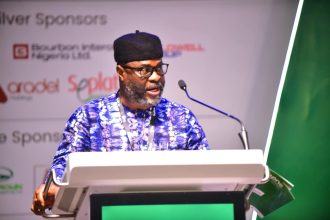
Senator Adams Oshiomhole (Edo North) this week challenged the Minister of Works, Dave Umahi, over the Federal Government’s approval of 20 new road projects, arguing that greater attention should be given to rehabilitating existing federal highways that have become hazardous to commuters.
Speaking on the Senate floor, Oshiomhole questioned the rationale behind embarking on new projects while several major roads across the country remain in a deplorable condition.
“Why are we approving 20 new roads when the ones we already have are killing Nigerians?” the senator asked, urging the minister to reconsider the government’s priorities.
According to Oshiomhole, constructing new roads while neglecting critical transport corridors does little to address the daily hardships faced by motorists. He described several key federal highways around Benin City as having deteriorated into “death traps” that pose serious risks to road users.
Among the roads he highlighted were:
– Benin–Warri Road
– Benin–Asaba Road
– Benin–Auchi Road
– Auchi–Okene Road
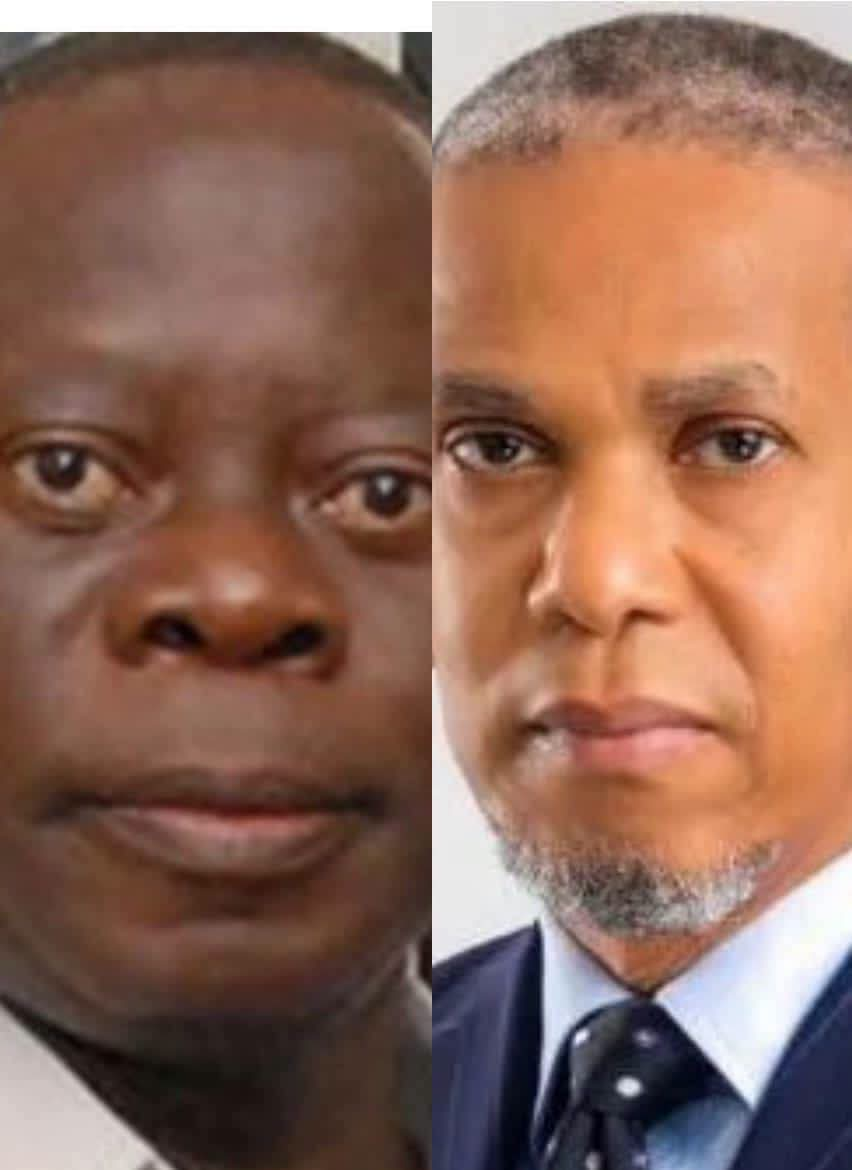
Referring specifically to the Benin–Warri Road, Oshiomhole turned to Senator Ede Dafinone, who represents Delta Central, and remarked that motorists could hardly travel the route to Warri because of its condition. The comment underscored the severity of the road’s deterioration and drew attention to the challenges faced by commuters in the region.
The exchange has also sparked conversations about legislative representation. While Oshiomhole, whose constituency is in Edo North, publicly advocated for the rehabilitation of roads serving both Edo and Delta states, observers have questioned what efforts have been made by lawmakers representing the affected areas.
Supporters of this view point to other Delta senators who have championed notable causes. Senator Ned Nwoko of Delta North has been prominent in advocating for the creation of Anioma State, while Senator Thomas Joel-Onowakpo of Delta South has been credited with facilitating the establishment of the Federal Medical Centre in Oleh.
Critics argue that Delta Central deserves a similarly visible and sustained advocacy on issues affecting the district, particularly the condition of the Benin–Warri Road and other pressing concerns.
Addressing the Minister of Works, Oshiomhole stressed that roads should be viewed not merely as infrastructure projects but as lifelines that directly affect public safety and economic activity. He urged the ministry to prioritize the rehabilitation of failed highways before embarking on additional projects.
The debate has renewed public attention on the need for improved maintenance of Nigeria’s federal road network, with many commuters hoping that rehabilitation of critical highways will take precedence over new construction.
Ultimately, the discussion highlights a broader expectation of democratic governance: that elected representatives should not only occupy public office but also consistently advocate for the needs of the people they serve.
As the condition of major highways continues to affect businesses, commuters, and local communities, many Nigerians will be watching to see whether the concerns raised on the Senate floor translate into concrete action.