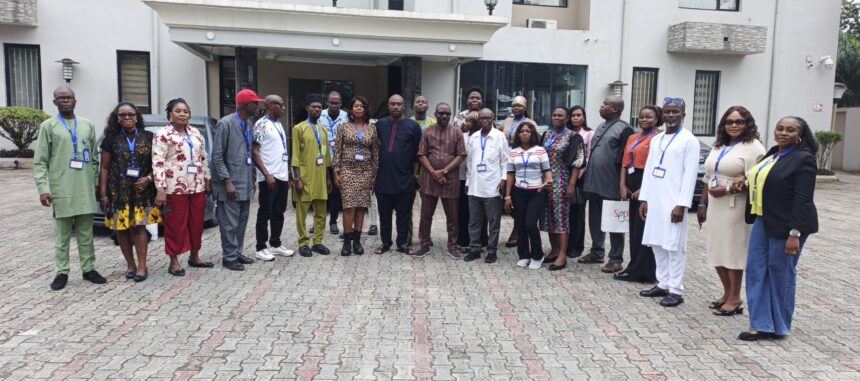
Seplat Energy, in collaboration with Eloh Consulting Limited, has trained 30 journalists from Warri and Sapele in Delta State on digital innovation, media entrepreneurship and strategies for building sustainable media businesses in an evolving digital landscape.
The two-day Media Entrepreneurship Programme, held at Hotel Valerie, Sapele, focused on personal effectiveness, business development, financial intelligence, digital marketing, media technology and emerging opportunities in the content creation industry.
The programme was designed to equip journalists with practical knowledge and skills to adapt to changing media trends, expand their professional capabilities and explore new revenue streams without compromising journalistic ethics and credibility.
The training comes amid growing competition between traditional media organisations and digital content creators, as social media platforms and mobile technology continue to transform how news is produced, distributed and consumed.
With individuals now able to publish information and reach large audiences through smartphones, journalists face increasing pressure to embrace digital tools, improve audience engagement and develop sustainable business models while maintaining professional standards.
A major focus of the programme was the need for journalists to combine traditional reporting skills with technological adaptability and entrepreneurial thinking to remain relevant in the rapidly changing media environment.
During a session on media technology, Nnamdi Uwaemelulam examined emerging technological trends, their significance to journalism and the need for media practitioners to adapt. The session featured lectures, practical exercises and class discussions.
Participants also explored the importance of multimedia storytelling and digital publishing in expanding the reach of news reports and making information more accessible to audiences across different platforms.
On entrepreneurship, Uloma Okoro facilitated sessions on personal effectiveness, business development, business planning and identifying business opportunities, highlighting areas where journalists could apply their professional experience to establish viable media ventures.
The sessions examined opportunities in specialised digital publications, podcasting, documentary production, multimedia services and professional communication consultancy.
The programme also addressed financial management and the challenges of sustaining media businesses in an increasingly competitive environment.
During the second day, participants examined financial intelligence, wealth creation, entrepreneurial leadership and venture financing. The programme also featured a reading titled Why New Ventures Fail and a case study on The Candel Company.
Olu Onakoya facilitated discussions on financial intelligence as a tool for prudent investment, while another session examined the socio-economic environment, leadership challenges and access to financing for entrepreneurial ventures.
The discussions highlighted the importance of financial planning, effective management and realistic business strategies in running sustainable media enterprises.
Digital marketing was another key area of focus, with Abiola Adedeji facilitating a session on strategies for reaching audiences and strengthening digital visibility.
The session examined the importance of understanding audience behaviour, improving online content distribution and using digital platforms to build stronger relationships with readers and viewers.
Participants were also exposed to the need to balance audience growth with professional responsibility, particularly as competition for online attention continues to encourage sensational headlines and the circulation of unverified information.
The programme emphasised the enduring role of professional journalism in verifying information, providing context, seeking multiple perspectives and holding public institutions accountable, even as digital platforms create new opportunities for content production and distribution.
For media practitioners, the growing popularity of social media and independent content creators presents both opportunities and challenges. While digital platforms offer journalists additional channels for reaching audiences, sustainable success requires a combination of credible reporting, technological competence and sound business management.
The training concluded on October 8 with a course evaluation, closing remarks and the presentation of certificates to participants.
The programme forms part of efforts to strengthen journalists’ capacity to respond to developments in the media industry and explore opportunities presented by digital transformation.
As technology continues to reshape journalism, the ability of media practitioners to innovate, develop sustainable business models and uphold professional ethics remains crucial to the future of credible and financially viable journalism.