By Edet Ikotidem
Nigeria stands at a defining moment in its development journey. As Africa’s largest economy and one of the continent’s leading oil-producing nations, the country faces the challenge of balancing economic growth with environmental sustainability and social progress. Achieving this balance will depend largely on how effectively Nigeria manages its energy transition, strengthens maritime logistics, and advances sustainable development. These three sectors are closely interconnected and hold enormous potential to transform the nation’s future.
For decades, crude oil has remained the backbone of Nigeria’s economy, generating significant government revenue and foreign exchange earnings. However, heavy dependence on fossil fuels has also exposed the country to volatile global oil prices and increasing environmental concerns. As the world gradually shifts toward cleaner and more sustainable energy sources, Nigeria must adapt to remain competitive and economically resilient.
Energy transition involves moving from conventional fossil fuels toward cleaner and more sustainable energy systems. For Nigeria, this transition does not imply an immediate abandonment of oil and gas. Instead, it requires diversifying the nation’s energy portfolio through increased investment in renewable energy sources such as solar, wind, hydroelectric power, and other low-carbon technologies.
With abundant sunshine and vast renewable energy resources, Nigeria is uniquely positioned to become a leader in clean energy development across Africa. Expanding renewable energy infrastructure offers an opportunity to address one of the country’s most pressing challenges—access to reliable electricity. Millions of Nigerians still lack stable power supply, limiting productivity, economic growth, and overall quality of life. Renewable energy projects, particularly in rural and underserved communities, can bridge this gap, stimulate local enterprise, and improve living standards while reducing greenhouse gas emissions.
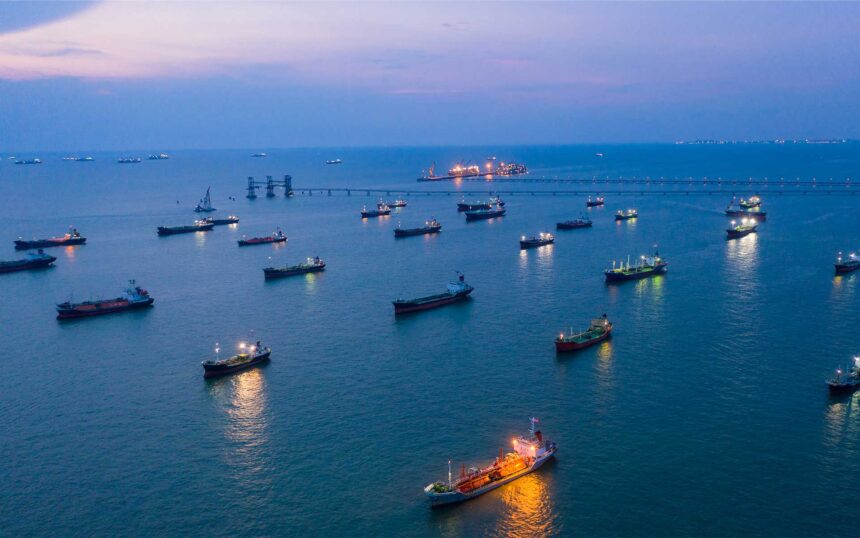
Closely linked to Nigeria’s energy future is the maritime sector, a critical pillar of national economic development. With an extensive coastline stretching approximately 853 kilometres along the Atlantic Ocean and some of West Africa’s busiest ports, Nigeria occupies a strategic position in regional and global trade. Maritime logistics encompasses the movement of goods, services, and resources through ports, waterways, and shipping networks, supporting key sectors such as oil and gas, agriculture, manufacturing, and commerce.
Major ports in Lagos, Port Harcourt, Onne, Warri, and Calabar serve as vital gateways for imports and exports, handling millions of tonnes of cargo annually. Efficient maritime logistics enhances trade competitiveness, reduces transportation costs, facilitates regional integration, and contributes significantly to employment generation and government revenue.
As Nigeria pursues its energy transition goals, the maritime industry must also embrace sustainability. Shipping remains essential for transporting crude oil, liquefied natural gas, refined petroleum products, and a wide range of commercial goods. Yet maritime operations contribute substantially to greenhouse gas emissions and environmental pollution. Aligning the sector with global sustainability objectives will require the adoption of cleaner technologies and environmentally responsible practices.
The development of green ports, cleaner marine fuels, digital shipping solutions, and energy-efficient vessels can significantly reduce the environmental footprint of maritime activities. Investments in smart port infrastructure and automation can improve operational efficiency, lower emissions, and enhance Nigeria’s competitiveness in international trade.
The relationship between energy transition and maritime logistics becomes even more significant when viewed through the lens of sustainable development. Sustainable development seeks to achieve economic growth, social inclusion, and environmental protection simultaneously. For Nigeria, this means creating jobs, reducing poverty, improving infrastructure, and preserving natural resources for future generations.
Renewable energy projects have the potential to generate thousands of jobs in engineering, construction, technology, and maintenance. Similarly, investments in maritime infrastructure can create employment opportunities across shipping, logistics, port management, and related industries. Together, these sectors can support economic diversification and reduce Nigeria’s long-standing dependence on crude oil exports.
Beyond traditional industries, sustainable maritime logistics can accelerate the growth of Nigeria’s blue economy—the sustainable use of ocean and marine resources for economic development. The country’s coastal and marine assets offer significant opportunities in fisheries, tourism, offshore renewable energy, and marine transportation. With effective management, these resources can generate substantial economic value while safeguarding marine ecosystems.
Despite the vast opportunities, several challenges continue to hinder progress. These include inadequate infrastructure, limited access to financing, regulatory inefficiencies, insecurity within certain maritime corridors, and insufficient investment in renewable energy technologies. Overcoming these obstacles will require strong political will, sound governance, and coordinated action among government agencies, private-sector stakeholders, development partners, and local communities.
The Federal Government has already taken important steps through initiatives such as the Energy Transition Plan and ongoing port modernization programmes. However, accelerated implementation is essential to ensure that the benefits of development are broadly shared across the population. Strategic investments in clean energy, maritime infrastructure, research, innovation, and human capital development will be critical to long-term success.
Ultimately, energy transition, maritime logistics, and sustainable development represent three strategic pillars upon which Nigeria can build a more resilient and prosperous future. By embracing renewable energy, modernizing its maritime industry, and embedding sustainability into national development strategies, Nigeria can create jobs, strengthen economic resilience, protect the environment, and improve the quality of life for its citizens.
The successful integration of these sectors will not only position Nigeria as a regional leader in sustainable economic transformation but also secure lasting prosperity for future generations.